
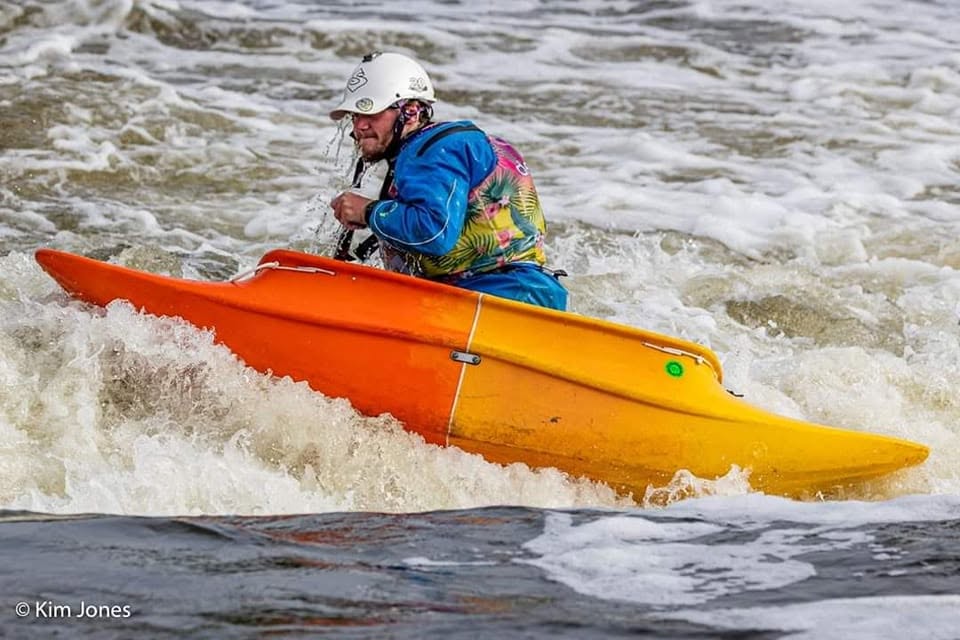
From river runners to freestyle machines
The timeline of OC1 freestyle design tracks a relentless pursuit of shorter hulls, more rocker and faster drainage. Designers progressively shed hull length so that single-bladed paddlers could take open canoes beyond traditional river moves and towards the spins, cartwheels, loops and aerial tricks seen in modern freestyle. The result is a remarkable technical progression from general-purpose river runners to radical competition machines.
The 12-foot era: traditional river hulls
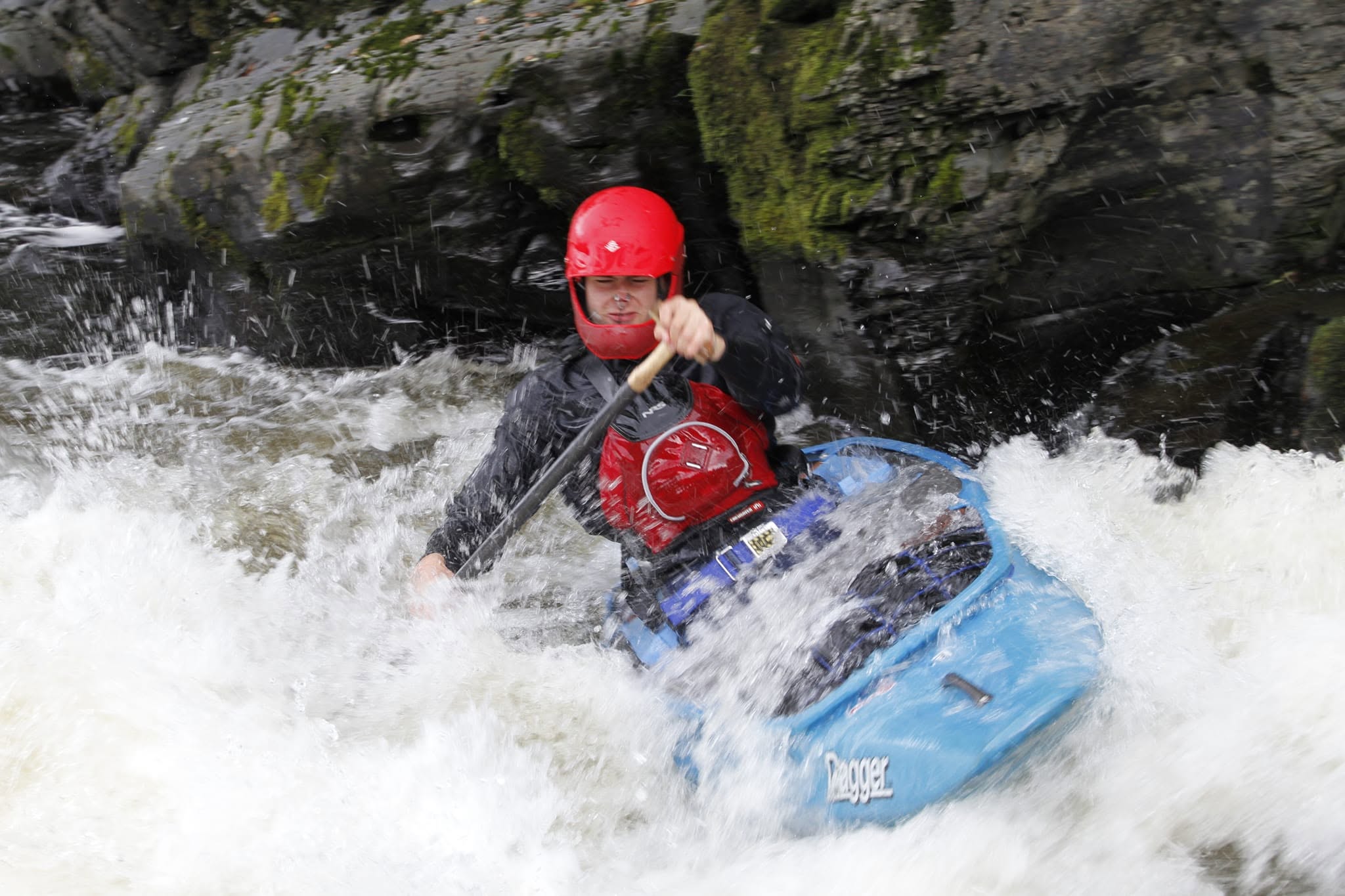
Before freestyle became a distinct discipline, paddlers used standard Royalex whitewater canoes such as the Dagger Impulse, Mad River Fantasy and early Whitesell designs.
- Design: generally 11.5 to 13 feet long, with symmetrical or slightly asymmetrical hulls
- Freestyle style: speed-driven front surfs, basic spins and high-volume enders that submerged the bow or stern using the power of the river
- The challenge: once swamped, these large hulls became extremely difficult to manoeuvre and often had to be taken to the bank to empty
The cut-down revolution: Dagger Ocoee
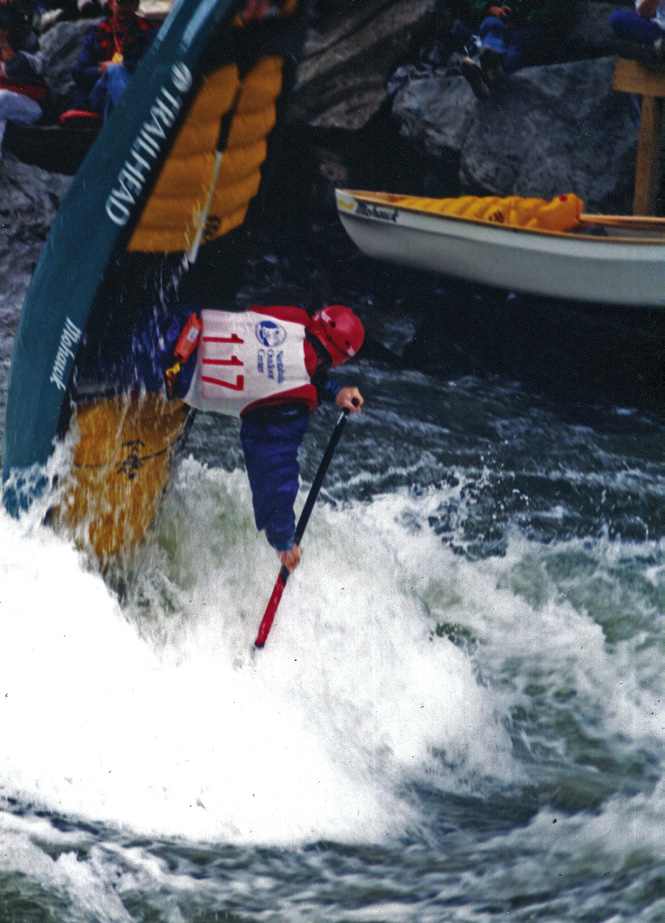
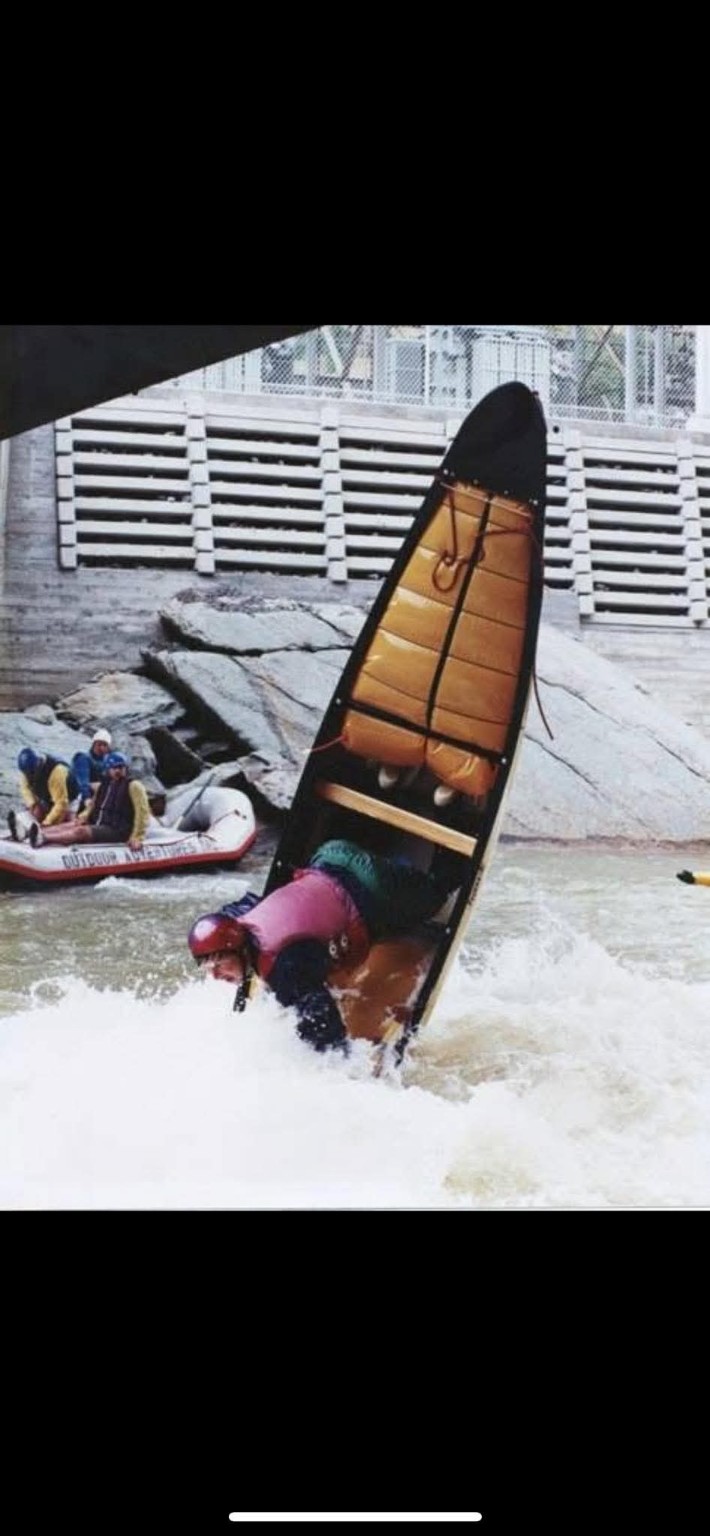
In the mid-1990s, Frankie Hubbard's 11-foot 2-inch Dagger Ocoee helped change expectations. Paddlers discovered that cutting down the gunwales and shortening the ends made an already responsive canoe substantially more agile.
- Design: a flared hull with hard, razor-sharp chines
- Freestyle style: strong carving control, fast eddy turns and aggressive, clean 360-degree spins on wave faces
- Impact: the Ocoee became a benchmark for technical hull control and showed that shorter, more aggressive open boats were the future of playboating
The roto-moulded shift: Skeeter, Quake, Superfly, Aftershock and Spanish Fly
The first major move into roto-moulded OC1 design came around 1998 with the Savage V Skeeter and Dagger Quake. These were among the earliest plastic open canoes built with fixed decked areas at the bow and stern, a major departure from the open Royalex river hulls that came before them. In 1999, the Savage V Superfly pushed the idea further with a slicier, purpose-shaped freestyle hull. The Dagger Aftershock emerged in the same period with a similarly strong focus on playboating.
- Skeeter and Quake: early roto-moulded OC1s that introduced durable plastic construction and fixed decked end sections
- Superfly: followed the Skeeter in 1999 and added lower-volume, slicier ends with a more dedicated freestyle hull
- Aftershock: part of the same new generation, combining a compact plastic hull with a shape intended for vertical play
- Spanish Fly: evolved from the Superfly and was initially produced by Colin Broadway at Mobile Adventure, first under the Savage name and later as Sauvage
- Impact: low-volume ends, planing surfaces and sharp release edges made stalls, cartwheels, loops and other vertical moves far more attainable, while the Spanish Fly helped bridge river running and dedicated hole play
Maximum rocker: Robson CU Fly
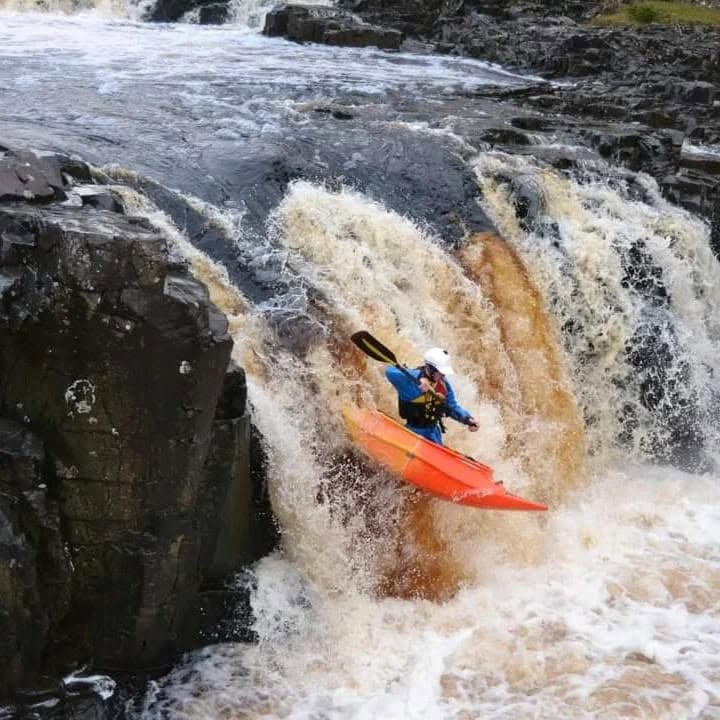
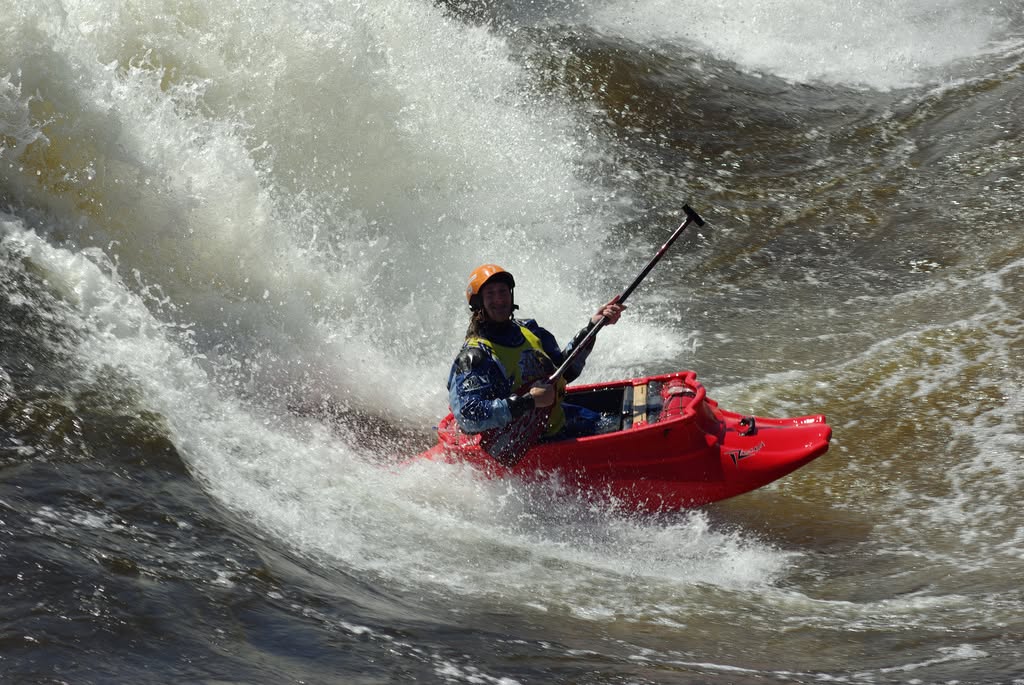
At 6 feet 10 inches, the Robson CU Fly pushed the short-boat movement much further and became a world-level competition design, including a win at the 2003 World Championships.
- Design: an exaggerated banana rocker, short waterline and broad planing surface
- Freestyle style: effortless spins, easy initiation and kayak-style loops in a suitable hole
- The challenge: the same ultra-short waterline that made it agile on a feature made tracking downriver hard work
Modifying kayaks
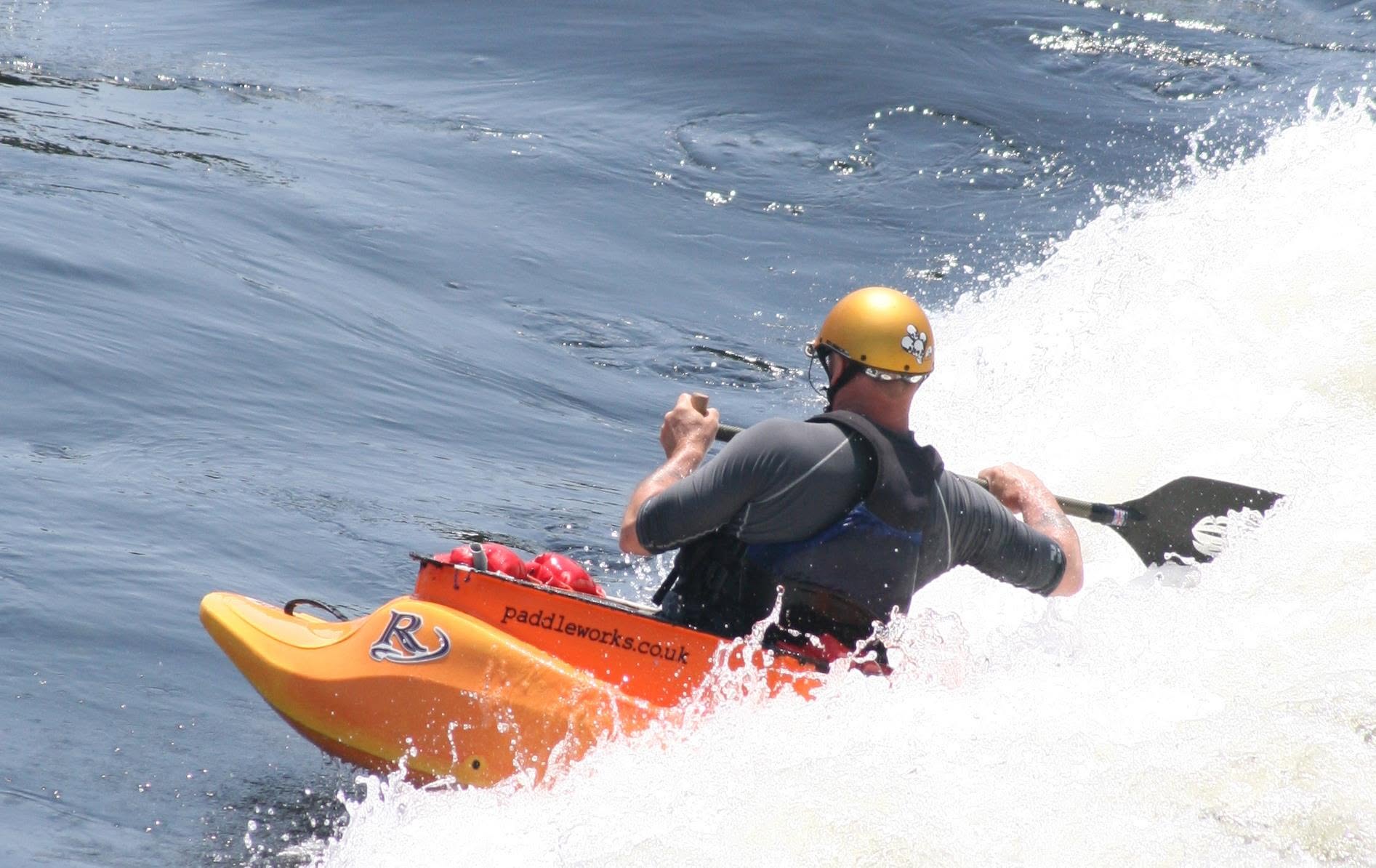
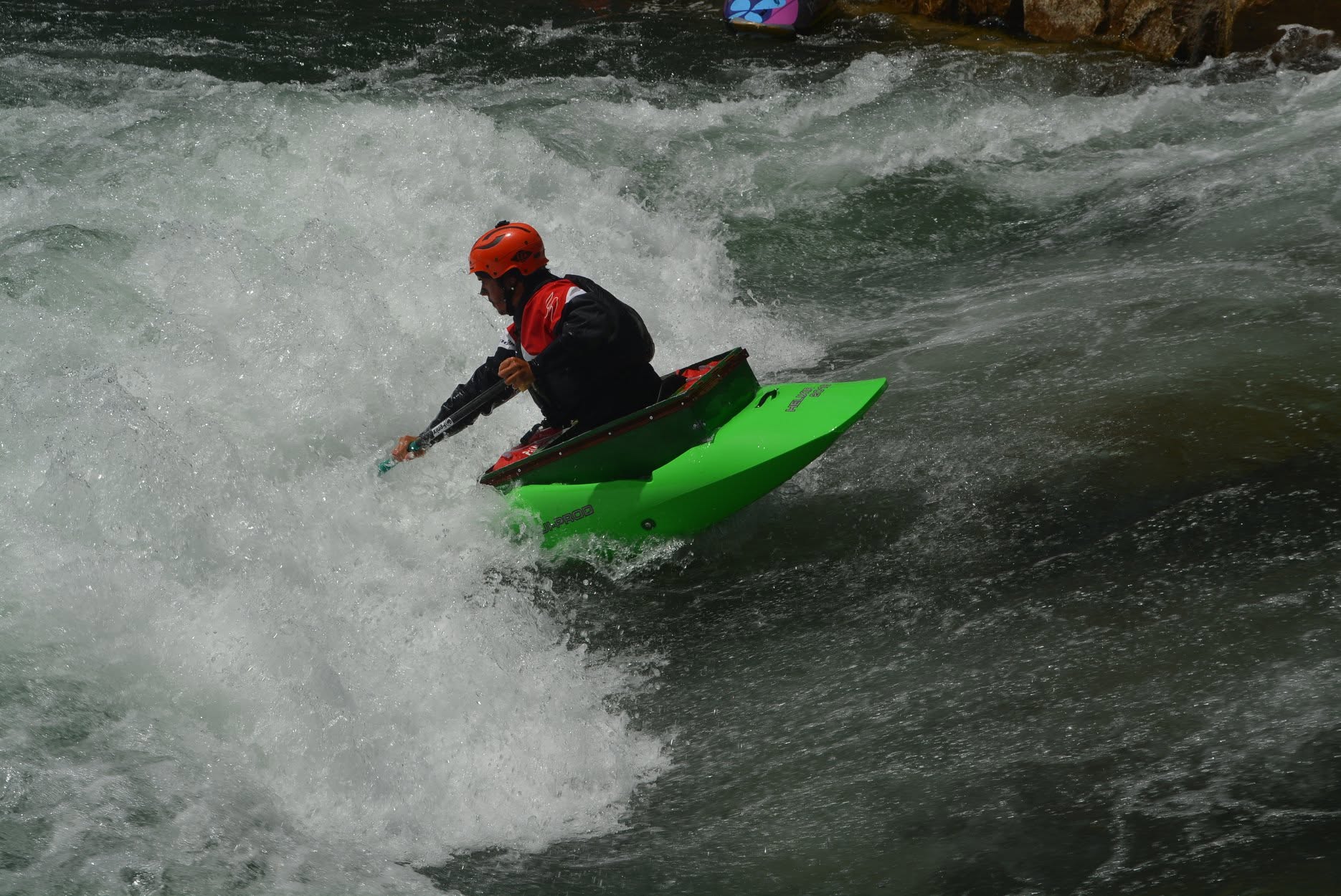
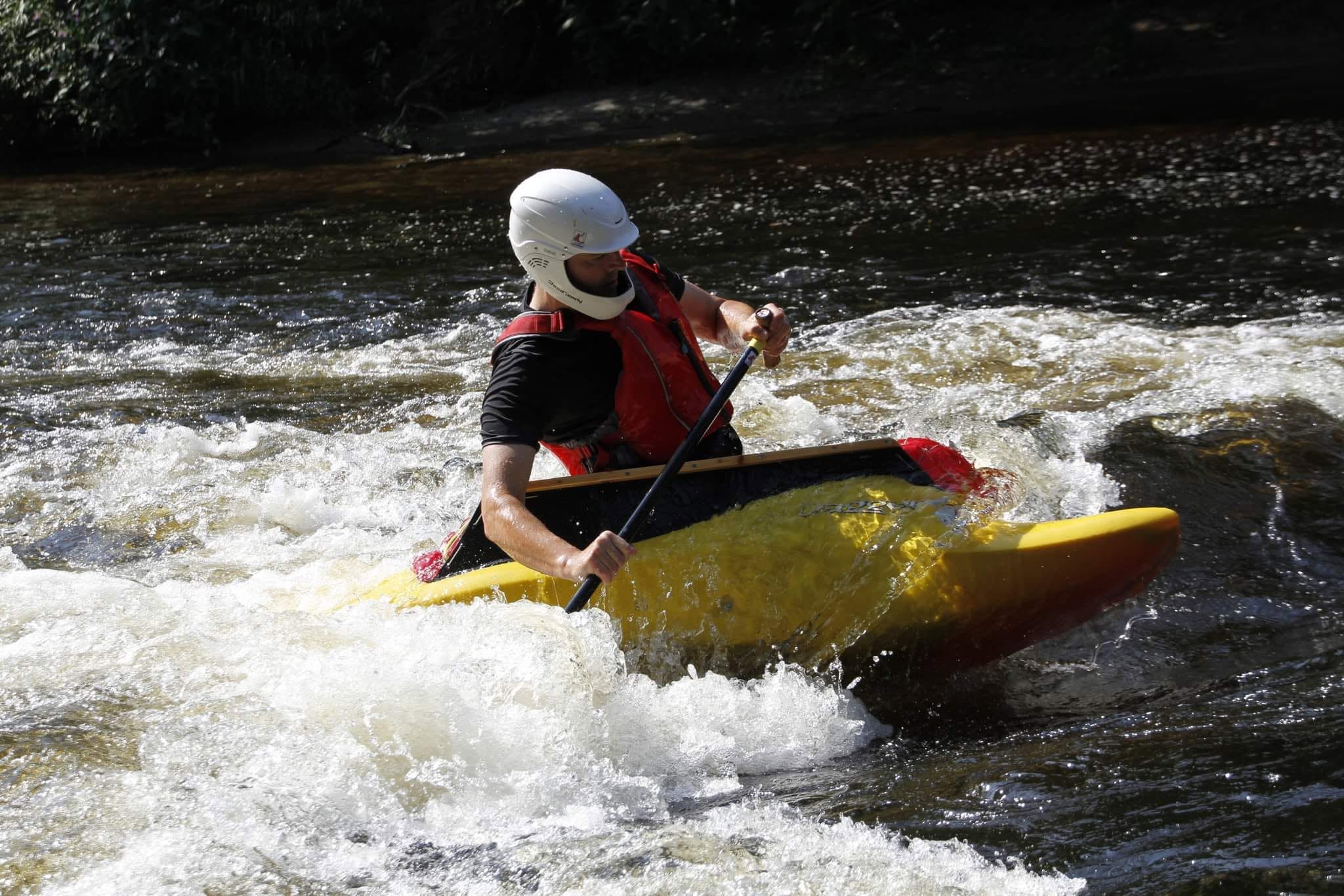
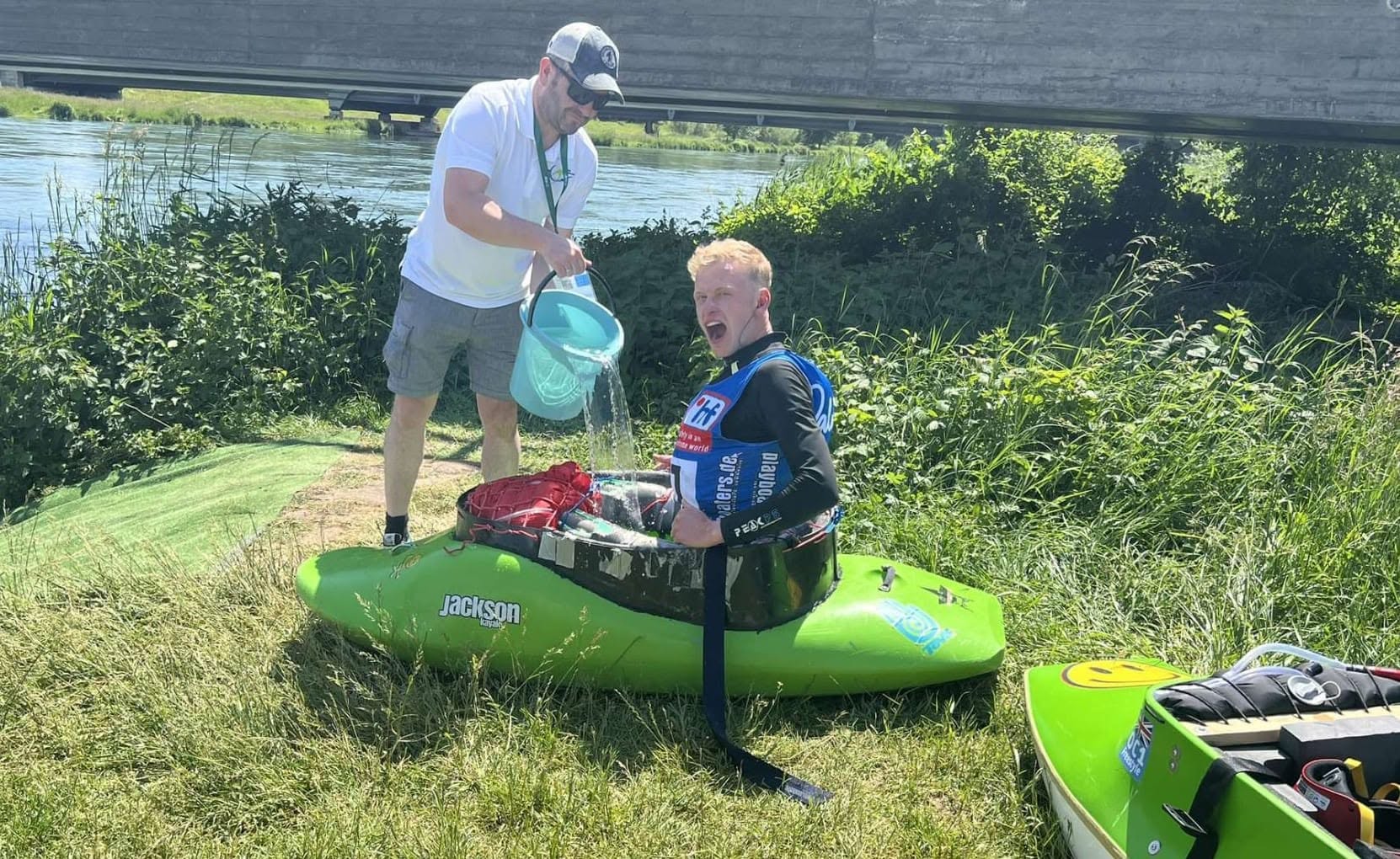
In an attempt to make canoes smaller and smaller, paddlers started converting kayaks into OC1s. Many literally attached a ring of plastic to the kayak hull, providing the required open area and height. The ICF challenged these boats and made sure that all the internal kayak parts were removed. Whilst this made the boats ‘to the rule’, they were often too small, and only one move could be performed before the boat literally sank. Some great attempts at OC1 conversion have been made, but none truly resemble a proper OC1.
The modern PE standard: Blackfly Canoes
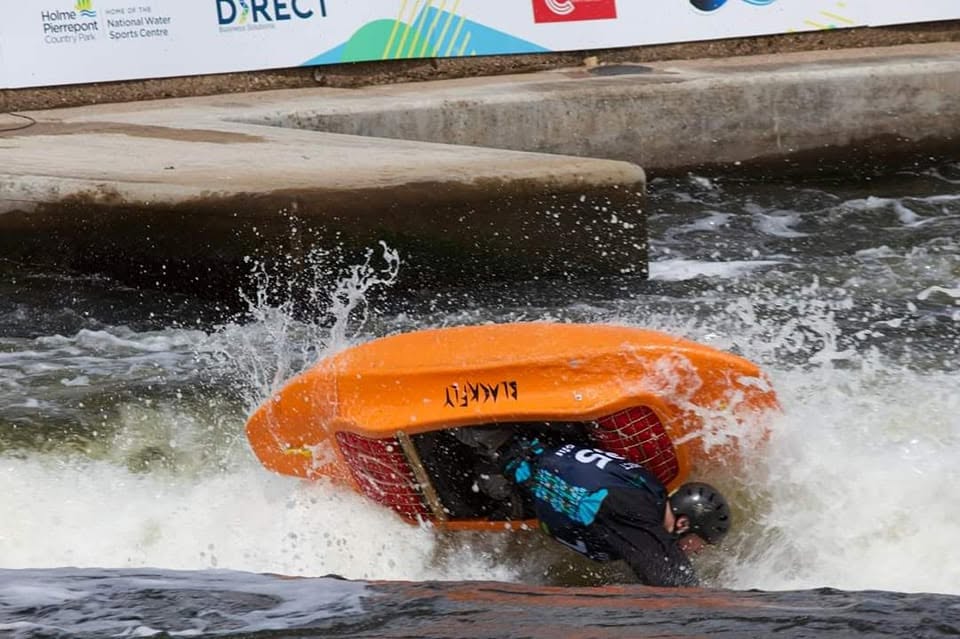
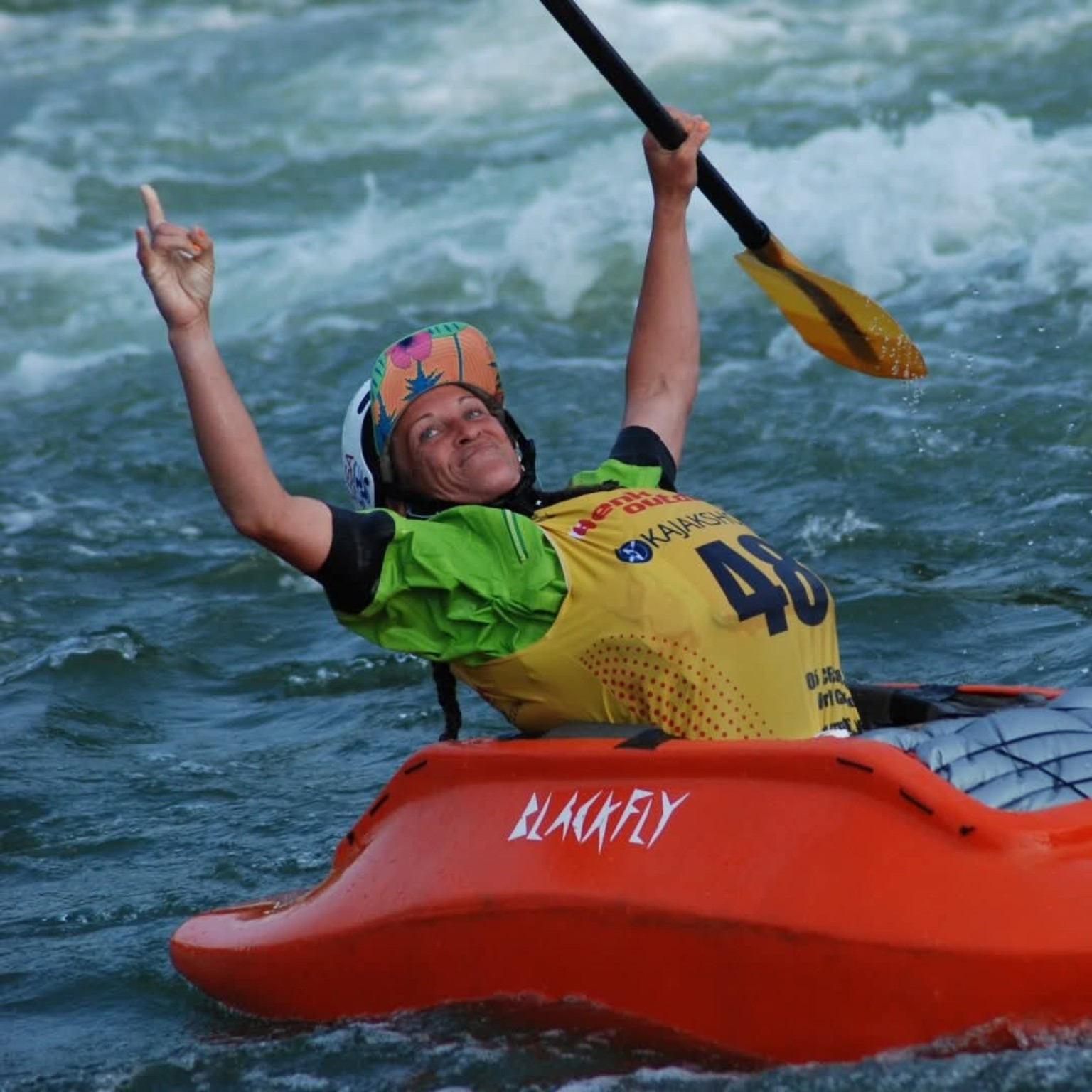
Jeremy Laucks launched Blackfly Canoes around 2009 and brought fresh momentum to polyethylene OC1 design. Models including the Option, Octane and Condor combined open-canoe character with ideas drawn from modern whitewater kayaks.
- Design: high, dry sidewalls, stepped planing hulls and progressive rocker profiles
- Freestyle style: aerial pop and looseness without abandoning forward speed and secondary stability
- Impact: durable, high-performance plastic boats made modern open-canoe play more accessible for paddlers who also wanted to run steep creeks and tight river features
The composite evolution: ACID and Junglist
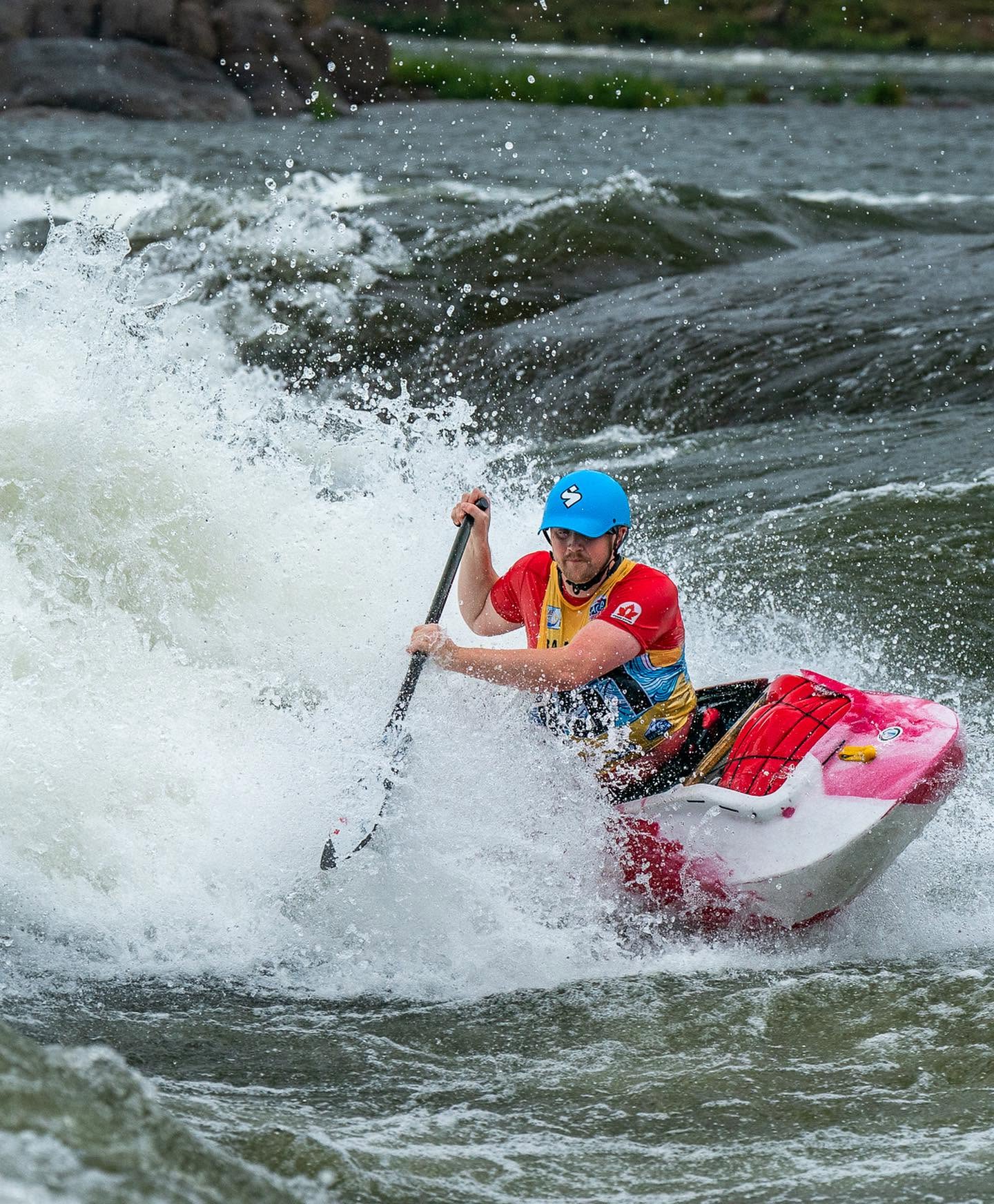
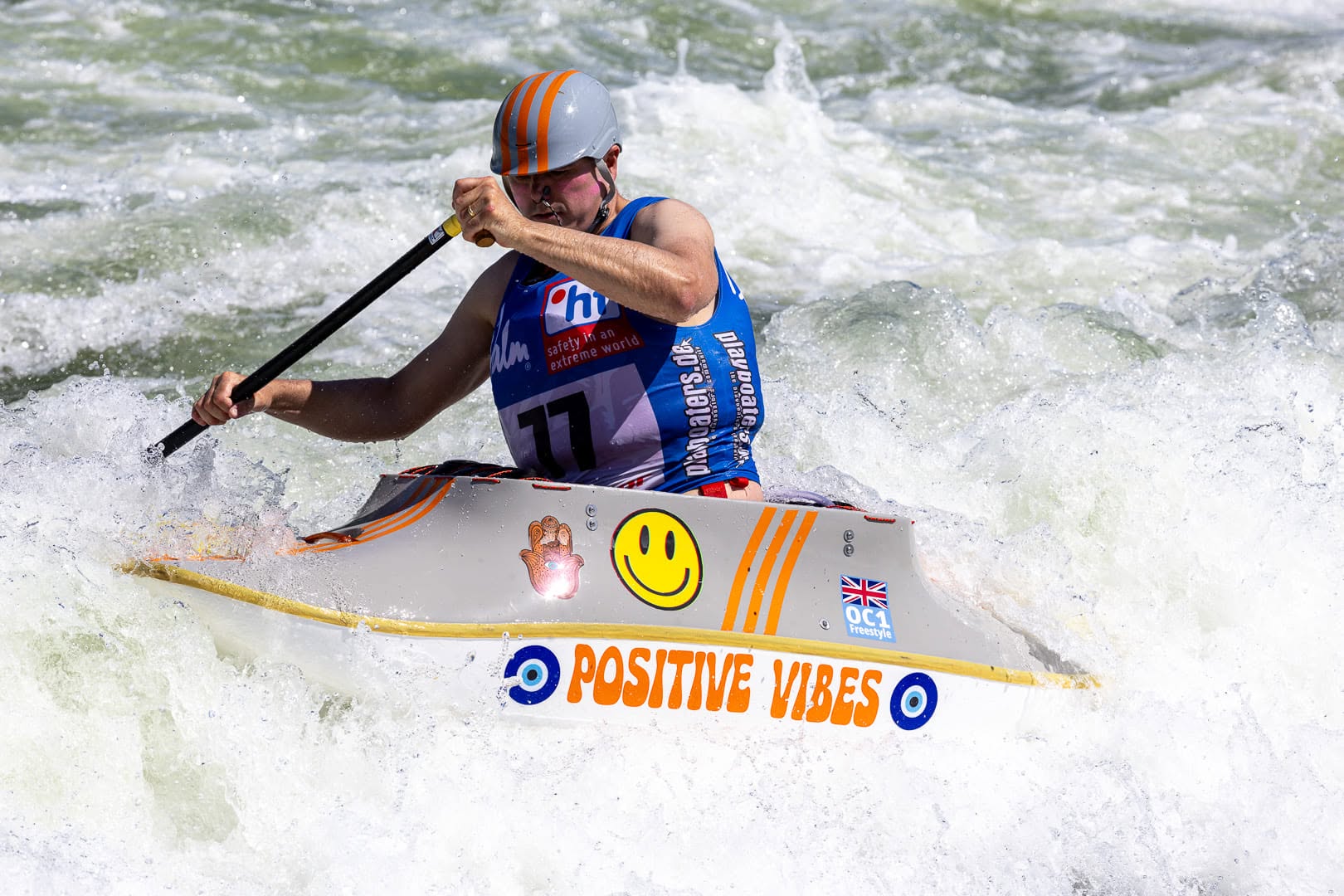
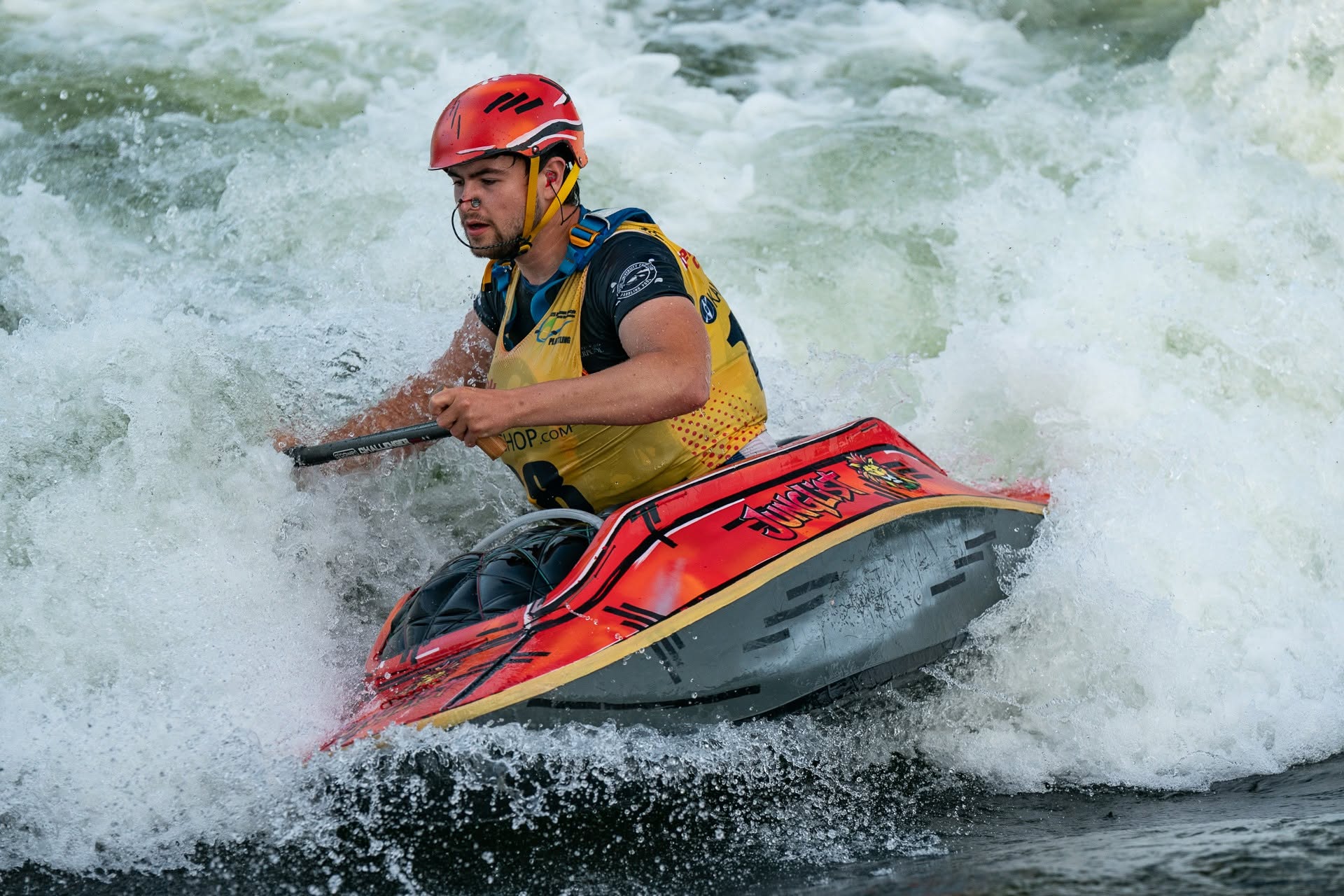
The modern competition vanguard includes boutique composite boats built in Britain by C1 Kayak Conversions and OC1 Freestyle. Advanced glassfibre, carbon and aramid layups reduce finished weights to around 16 kg, giving designers the stiffness, release and responsiveness needed for elite freestyle.
- ACID OC1: developed for the 2022 Nottingham World Championships and subsequently raced at World Championships, World Cups, British Championships, Euro Opens and the German Championships
- Junglist OC1: introduced in 2024, combining a distinctive composite hull with international competition performance, including bronze at the 2025 World Championships in Plattling
- Design direction: purpose-built open canoes with aggressive rocker, fast drainage and hull shapes intended to release cleanly for aerial moves
The 30-litre era: where design goes next
A major new chapter begins in 2027. Paddle Worldwide’s official rules reduce the minimum water capacity for an OC1 from 40 litres to 30 litres. The other defining measurements still matter, but designers will no longer have to create a boat capable of retaining the extra 10 litres required under the previous rule.
- Confirmed change: the minimum retained-water capacity falls from 40 litres to 30 litres for 2027 and beyond
- Possible design effect: builders may be able to refine the central cockpit, drainage paths and volume distribution while still meeting the open-depth and cockpit-area requirements
- Performance potential: carrying less water during a ride could help a boat accelerate, recover and release more readily for aerial moves
- Existing boats: a boat that already satisfies the 40-litre minimum should also exceed the new 30-litre minimum, provided it continues to meet all the other applicable equipment rules
The 30-litre rule creates an opportunity rather than prescribing a particular hull. Its true effect will only become clear when designers build, test and compete in the next generation of OC1s.
A separate women’s OC1 category
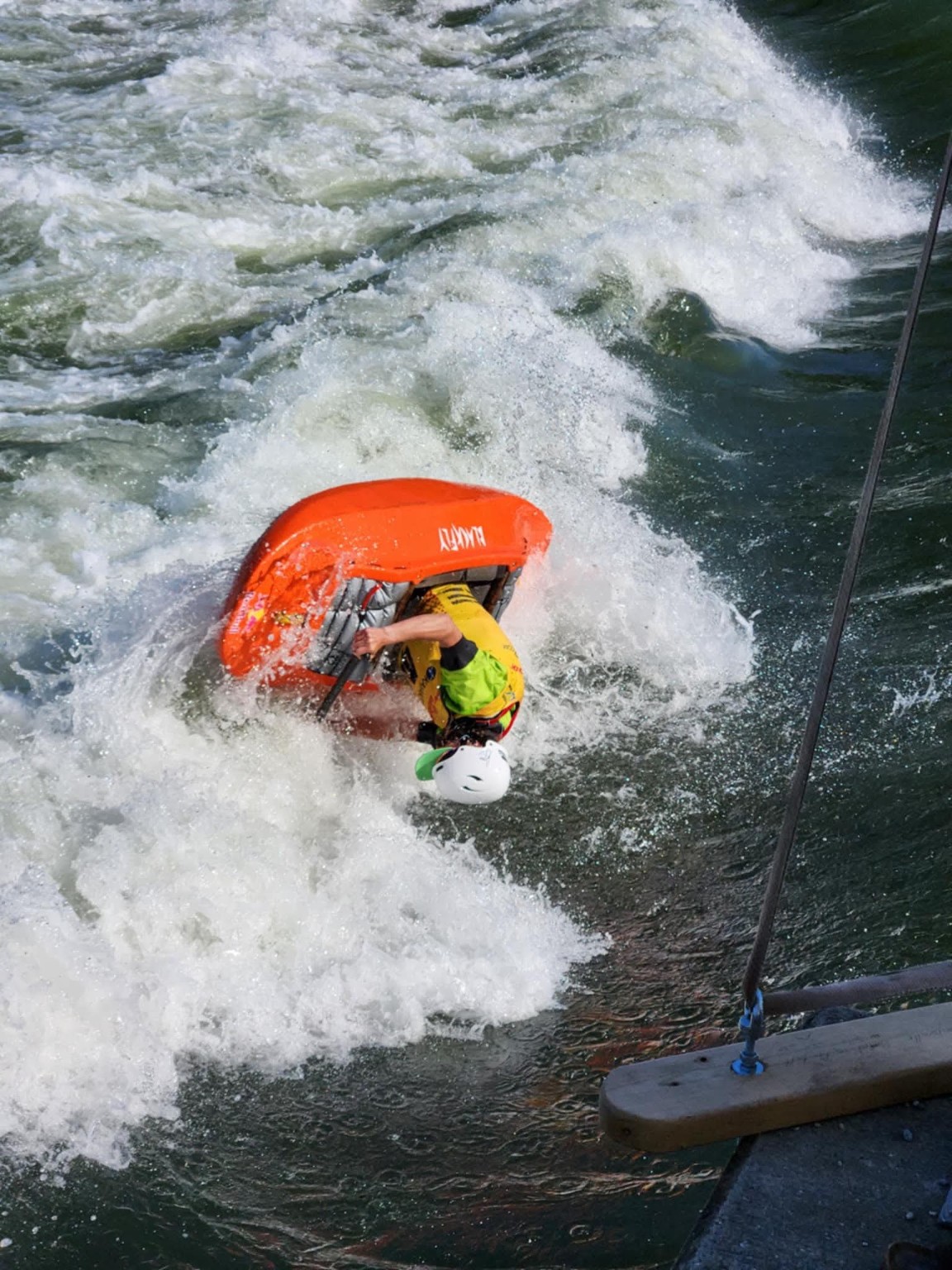
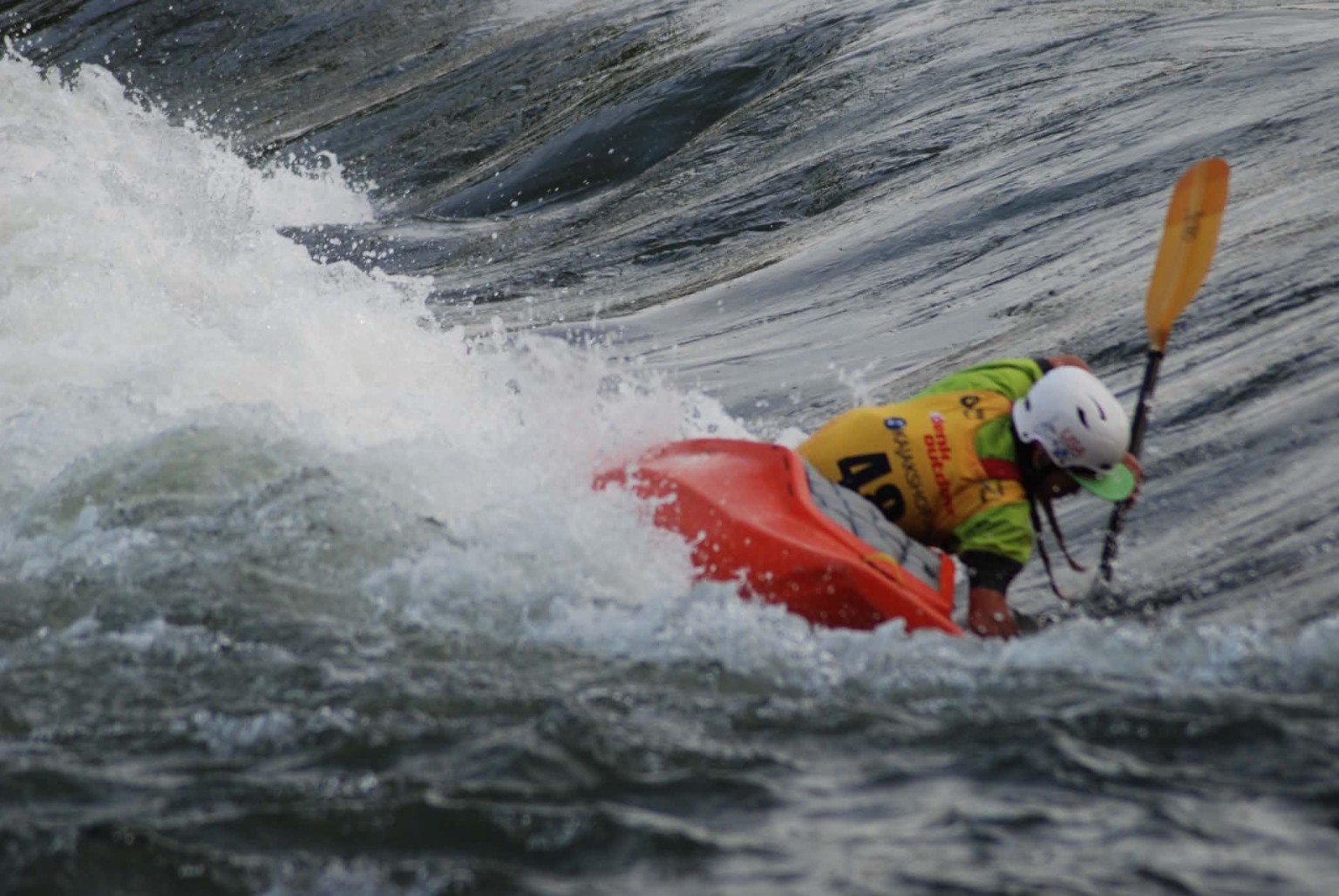
From 2027, Open Canoe is divided into Men’s OC1 (MOC1) and Women’s OC1 (WOC1). OC1 has always been described as an open category, available to everyone, but in practice it has almost always been contested by men. American paddler Holly Reppert became the first woman to enter OC1 at an ICF-era World Championships when she competed at Plattling in 2025. Her appearance now stands at an important turning point in the history of the class.
- Each national federation may enter up to two men and two women in OC1
- Men and women will share the same heats and finals on the water
- After each round, the results will be separated to produce distinct men’s and women’s standings and medals
- The reduced 30-litre capacity may make future boats more manageable for lighter paddlers and help lower one of the barriers to women entering the class
Proposals for a smaller open surface area and lower deck height were not adopted. The 3,800 cm² opening and 37.5 cm depth over 80 cm still leave OC1 boats large compared with kayaks and decked C1s. Designers and paddlers must therefore find new ways to reduce retained water and make the boats easier to handle within the remaining rules.
Where the design keeps going
OC1 design is still evolving. Every reduction in weight, refinement to the rocker line and improvement in drainage changes what paddlers can attempt. The new 30-litre minimum gives designers another variable to explore, but the next breakthrough may still come from a new hull, a new material or a paddler finding a move that has never previously been landed in an open canoe.
Sources and further reading
These links provide background on the boats, builders and design changes described in this timeline.